
How to Choose the Right Garage Door Insulation for Your Home
Your garage holds more than just a car. Maybe it is a workshop. Sometimes it becomes that weekend gym. You spend real time out there. Upgrading your garage door insulation in Melbourne might seem like a minor detail, but it often completely shifts how the space feels. Australia throws some seriously wild weather our way. You might step in there on a summer afternoon and feel like you have walked into an oven. Winter brings a damp and bone-chilling cold. Quality insulation acts like a giant thermal shield to block these extremes. It calms those crazy temperature spikes and even blocks out annoying street noise.
Why Garage Door Insulation Is Important in Australia
The weather here changes fast. It rarely settles. A comfortable morning can easily turn into a blazing hot afternoon. This does not just ruin your time in the garage. If the space connects to your house, that extreme heat or cold creeps right into your living room. Adding a solid layer of insulation builds a much-needed barrier. You might notice you aren't running the air conditioning quite as hard. It just buffers the whole house. Plus, things like power tools and old sports gear actually survive longer when they aren't cooking in extreme temperatures.
Understand the Different Types of Garage Door Insulation
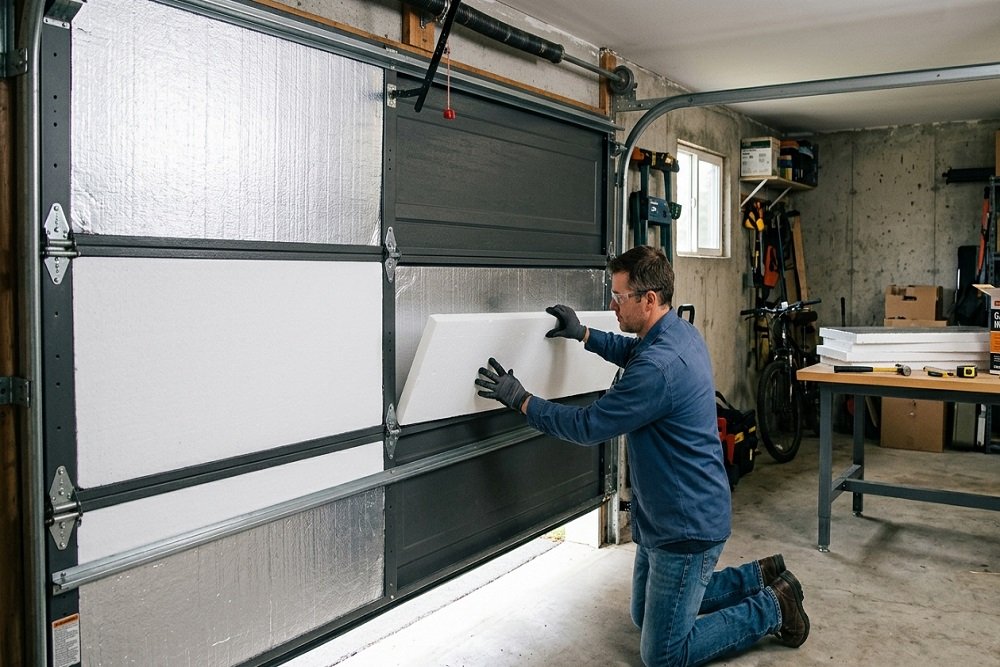
- Polystyrene Insulation: People like polystyrene. It is incredibly light. It also does not cost a fortune. You can usually fit these panels straight into a standard door for a decent drop in temperature. It isn't the absolute most extreme thermal barrier on the market. Still, if you just want to take the edge off a mildly uncomfortable space, it does the job surprisingly well.
- Polyurethane Insulation: Then there is polyurethane. This foam physically expands. It actively fills up all the empty hollow spaces inside the door panels to block the heat. You get a much tougher and physically stronger door as a bonus. If your local weather gets severely hot or bitterly cold, this dense foam usually handles it better. It can be confusing trying to match materials to your specific house. Chatting with a good insulation contractor could save you from making a costly guess about what works best.
- Reflective Foil Insulation: Reflective foil tackles heat differently. It literally bounces the sun's radiant heat away. You can imagine how brilliant that is during a classic Aussie summer. Sometimes people double this up with standard foam to get a seriously impressive temperature drop.
Key Factors to Consider Before Choosing Garage Door Insulation
- Garage Location: Think about where the garage actually sits. An attached garage leaks its temperature straight through the shared walls. A freestanding shed will not affect your living room, but insulating it still makes weekend projects far more bearable.
- Your Local Climate: Where you live dictates what you need. Hotter areas demand materials that reflect intense sun. Down south in the cold, you need thicker thermal resistance. Salty coastal air adds extra moisture to the mix, which is just another tricky element you have to plan for.
- Garage Door Material: Doors are built from wildly different stuff. Basic steel or aluminium sheets practically invite the summer heat inside. Timber puts up a decent natural fight, but even wood needs help to stay truly comfortable. Matching the insulation specifically to the door material gets you the best result.
- Budget: Upgrading always costs money. Sure, the premium materials demand more cash up front. But they usually slash your ongoing energy bills. Sourcing some local advice from an insulation supplier in Melbourne gives you a realistic idea of what actually pays off in the long run.
- Noise Reduction; It isn't all about the heat. Noise drives people crazy, too. If you train or work with tools in the garage, insulation works wonders to muffle loud traffic and stop the door itself from rattling so much.
Should You Choose DIY or Professional Installation?
You can definitely buy DIY kits. They work fine for standard doors if you have a bit of patience and follow the instructions. But doors are heavy and sometimes completely unforgiving. Professionals often guarantee a tighter fit. They leave no sneaky gaps for cold air to blow through. It really just depends on your confidence and the specific mechanics of your door.
Signs It's Time to Upgrade Your Garage Door Insulation
At times, the indicators are right before you. The place simply makes you uncomfortable to stand in. This might be because your power bills continue rising without any apparent reason. Your old insulation wears out. It becomes wet, compressed and at last ineffective. When you have just started using the room for your workout, the bad insulation will become quite noticeable.
Conclusion:
The solution here depends on finding the right insulation for your specific climate and habits. Any one type of insulation works for all; this solution does not apply here. This requires a little research. Converting an extremely cold or hot garage into a comfortably live able space is completely feasible. It just requires the proper physical barrier to separate you from the elements and save you energy.










0 Comments